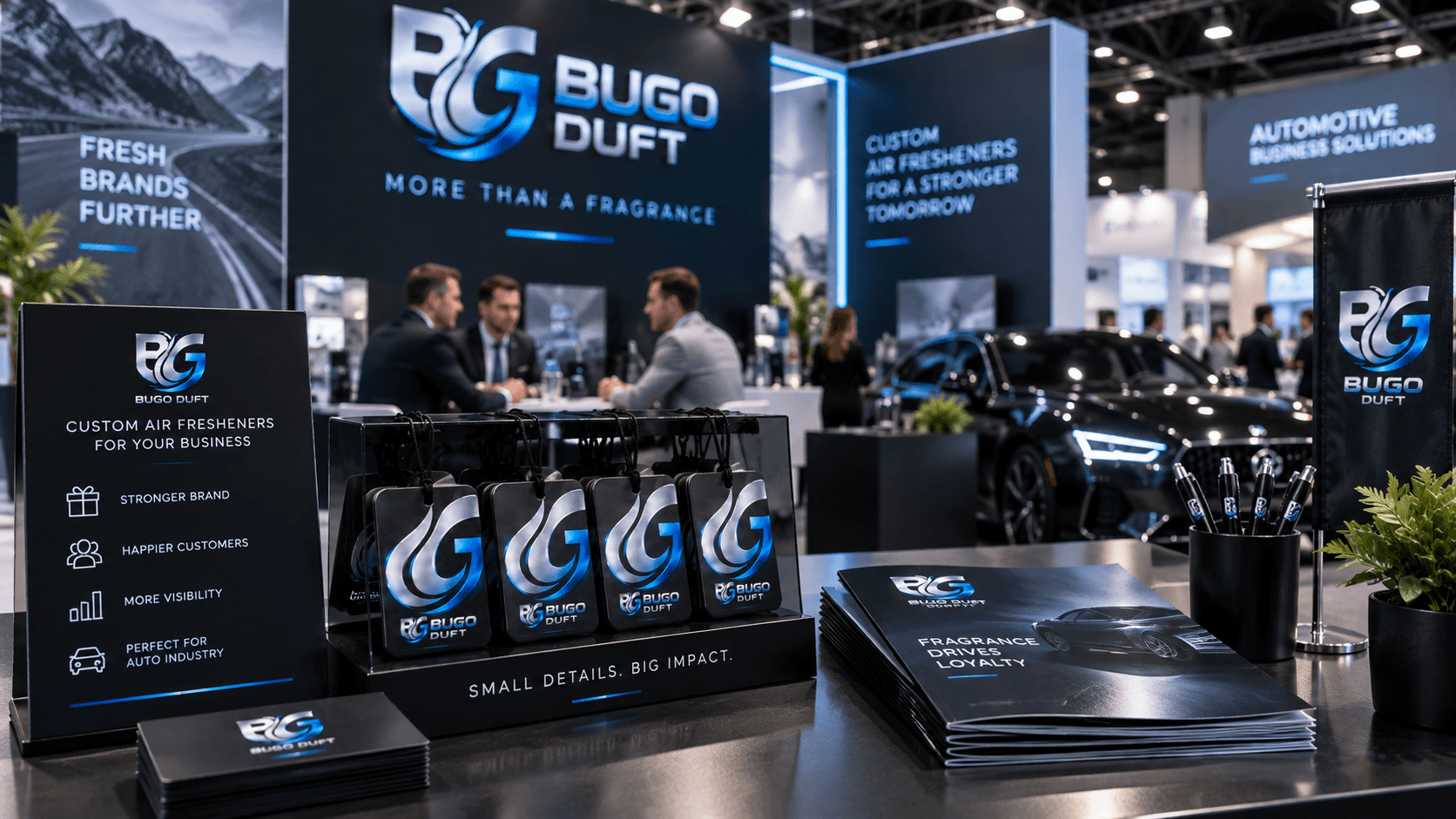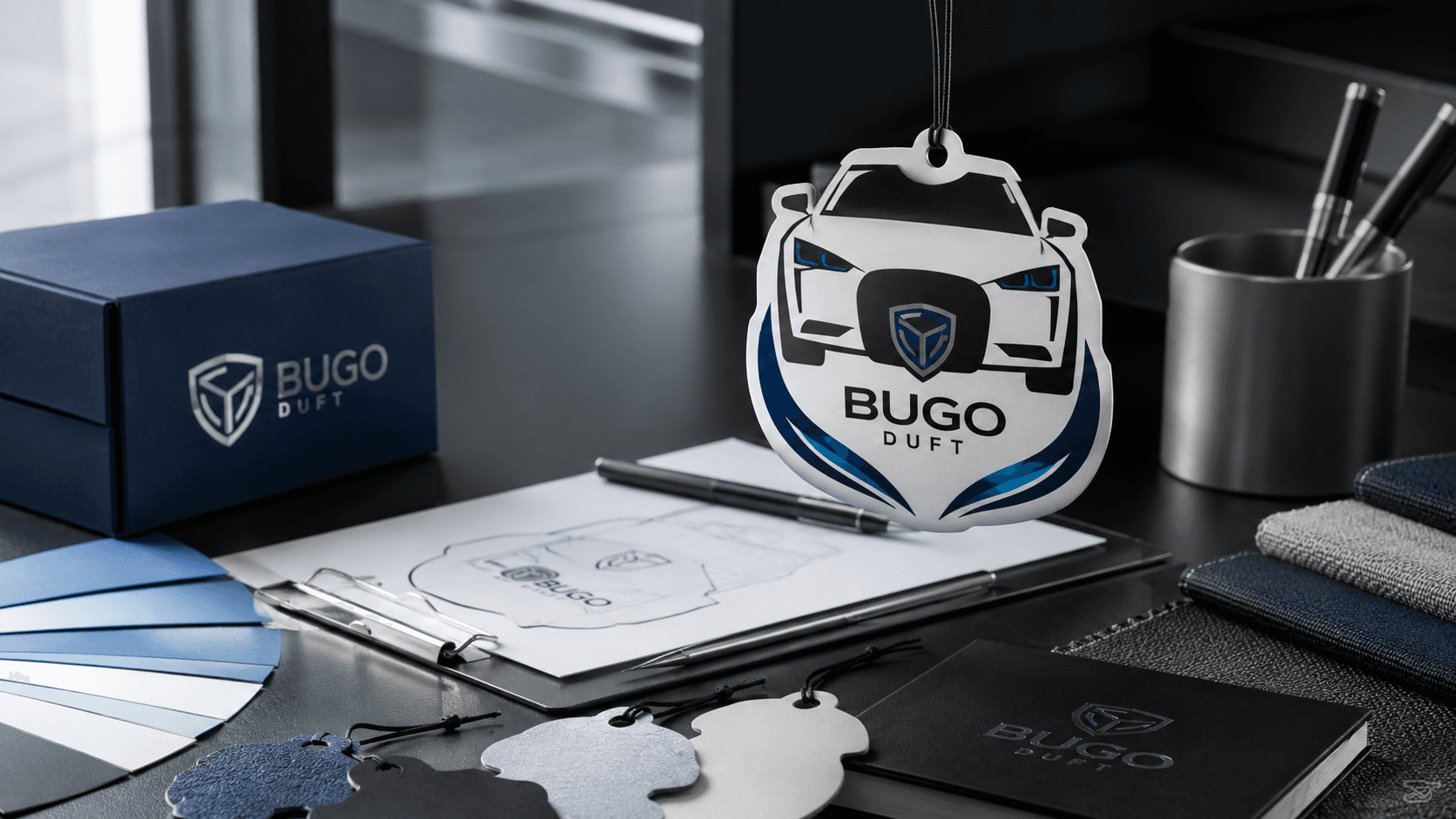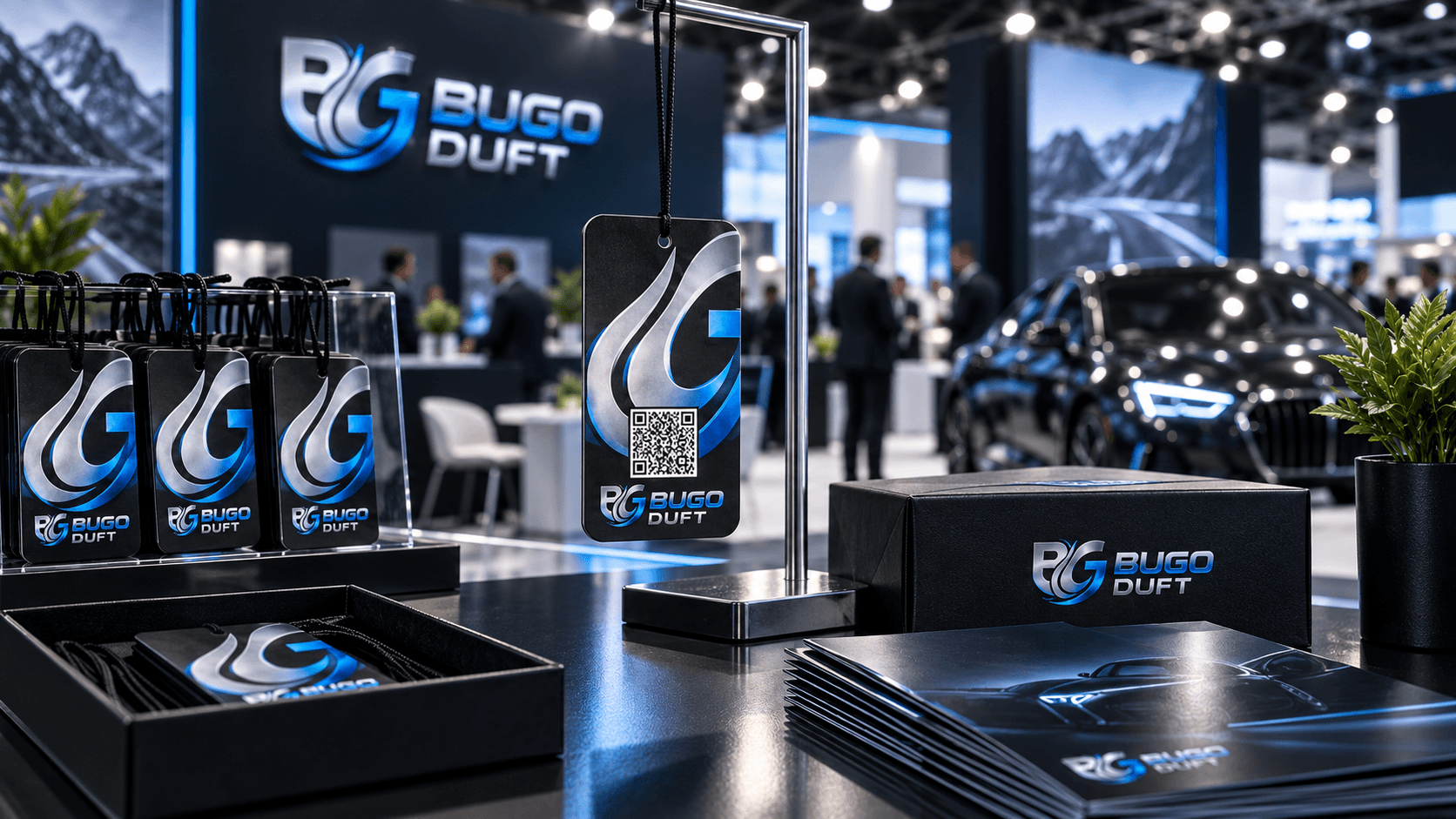
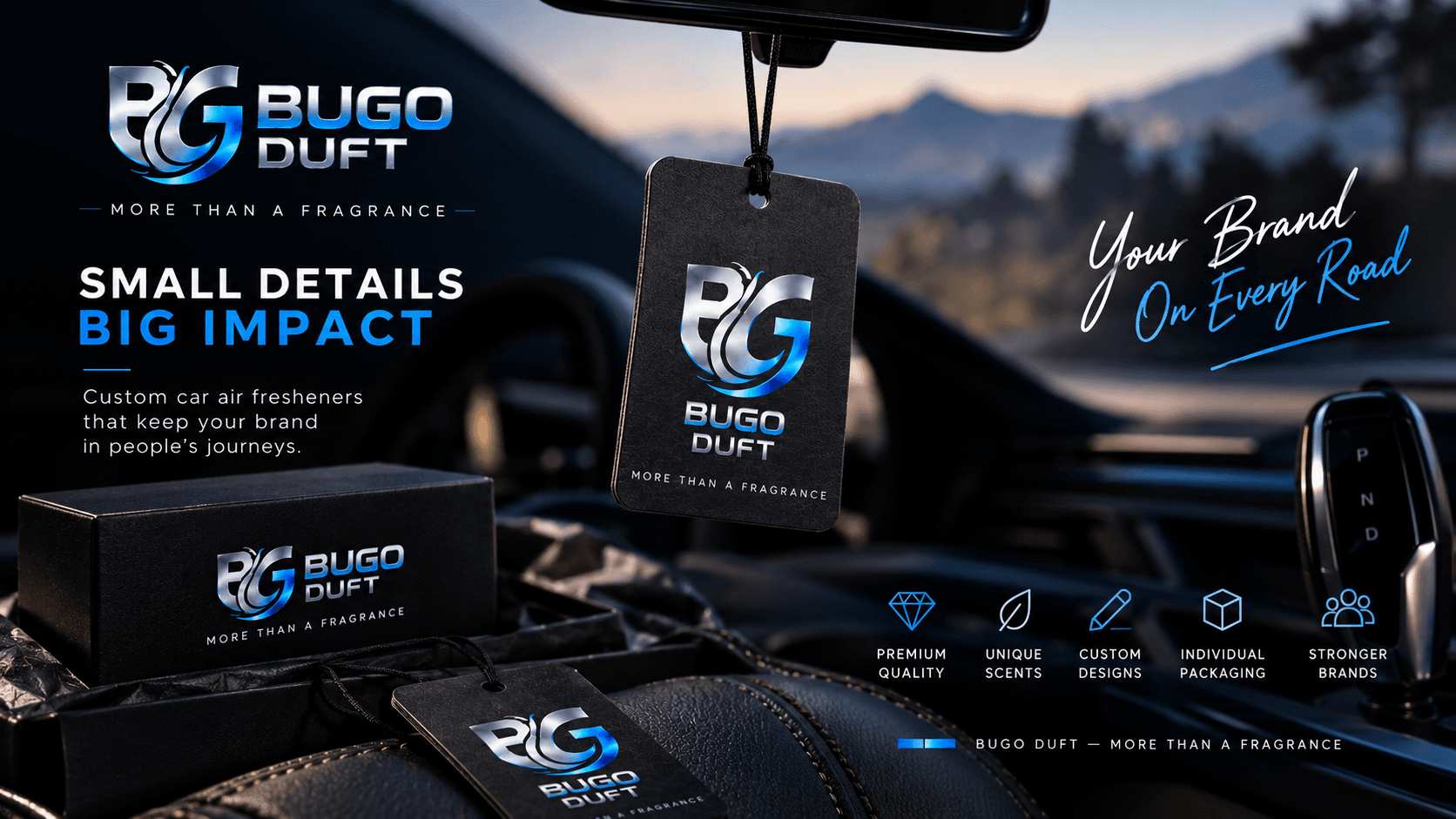
Use a practical branded product inside the vehicle. This guide explains the decisions that matter in practice and how businesses can turn a simple air freshener into a planned brand touchpoint.
Usage fit
Promotional items are stronger when product environment and service make sense together. Make this a specific approval criterion for “Promotional Products for Cars: Why Branded Air Fresheners Work” so it does not disappear between artwork revisions and operational details.
Visibility
Logo and shape can remain repeatedly visible inside the vehicle. Do not judge this decision for “Promotional Products for Cars: Why Branded Air Fresheners Work” only by instinct; ask whether it supports audience, use case and brand identity at the same time.
Perceived value
Scent and design should feel like a useful finishing touch, not random giveaway clutter. Define in advance what a good outcome looks like for “Promotional Products for Cars: Why Branded Air Fresheners Work”. That makes variants easier to compare objectively and reduces unnecessary revision loops.
Measurability
A QR code or campaign link can connect the offline item with a digital action. For “Promotional Products for Cars: Why Branded Air Fresheners Work”, also check how this choice interacts with the rest of the concept. A good isolated idea can still weaken readability, workflow or the main message.
One objective
Give each campaign one primary action so artwork and QR code do not compete. Include the real audience for “Promotional Products for Cars: Why Branded Air Fresheners Work” in the decision. What the internal team prefers is not automatically what works best in the later customer interaction.
Distribution
Define timing, staff responsibility and recipients before campaign launch. Review this point for “Promotional Products for Cars: Why Branded Air Fresheners Work” from the perspective of the actual handover or use moment. Practical clarity there matters more than a solution that only looks good in a presentation.
Consistency
Make the campaign visible without losing the underlying brand identity. If several options for “Promotional Products for Cars: Why Branded Air Fresheners Work” perform similarly, prefer the clearer and more repeatable one. It will be easier to reorder and use consistently later.
Evaluation
Record distributed quantity, responses and digital actions by campaign. Record the final decision for “Promotional Products for Cars: Why Branded Air Fresheners Work” together with the reason behind it. That makes reorders easier and stops settled questions from being reopened without need.
Practical example
The following example shows how the thinking behind “Promotional Products for Cars: Why Branded Air Fresheners Work” can be turned into a specific, controllable process:
A business does not hand the promotional item out randomly; it gives it after a service or vehicle handover, creating a clear link between brand, car and a positive customer experience.
Frequently asked questions
Which campaign objective comes first?
For “Promotional Products for Cars: Why Branded Air Fresheners Work”, define one primary desired response: recall, review, booking, visit or referral. A clear goal helps prioritise front, back and any QR code. Several equally strong calls to action usually weaken the message.
How should campaign quantity be planned?
For “Promotional Products for Cars: Why Branded Air Fresheners Work”, base quantity on realistically reachable contacts and the actual distribution rate, not theoretical maximum reach. Include campaign duration, staff, locations and a modest buffer while avoiding excessive leftover stock with outdated artwork.
How can an offline item be measured?
If “Promotional Products for Cars: Why Branded Air Fresheners Work” uses a QR code or dedicated campaign URL, digital responses can be evaluated separately. Also record how many items were actually distributed. That gives the next campaign a stronger basis than reach assumptions alone.
How can the campaign stay recognisably on-brand?
For “Promotional Products for Cars: Why Branded Air Fresheners Work”, keep the core logo, colour system and basic typography stable. Seasonal or event artwork can add emphasis without replacing the brand itself. Recognition matters especially when several campaigns run over time.
Next step
Once the decisions for “Promotional Products for Cars: Why Branded Air Fresheners Work” are clear, current product options and prices should not be taken from a static guide. Use the configurator for current information, and the fragrance page for the current range of 40 scents.